

QUALITY SIGNALS
What to Check on a Jacket Before You Buy It
Price tells you very little about how a jacket is built. What tells you a great deal is a handful of details that take under a minute to check, whether the piece is in front of you or described on a page. These are the ones worth looking at.
Start at the Zipper
The zipper is the part that moves, which is usually where problems start. Look for teeth that mesh evenly with no wave along the closed line, a slider with some weight to it rather than a thin stamped tab, and tape that lies flat against the fabric instead of rippling. On longer coats a two-way zipper, which opens from the bottom as well as the top, is what lets you sit and walk comfortably in a piece that reaches past the hip.
Turn the Inside Out
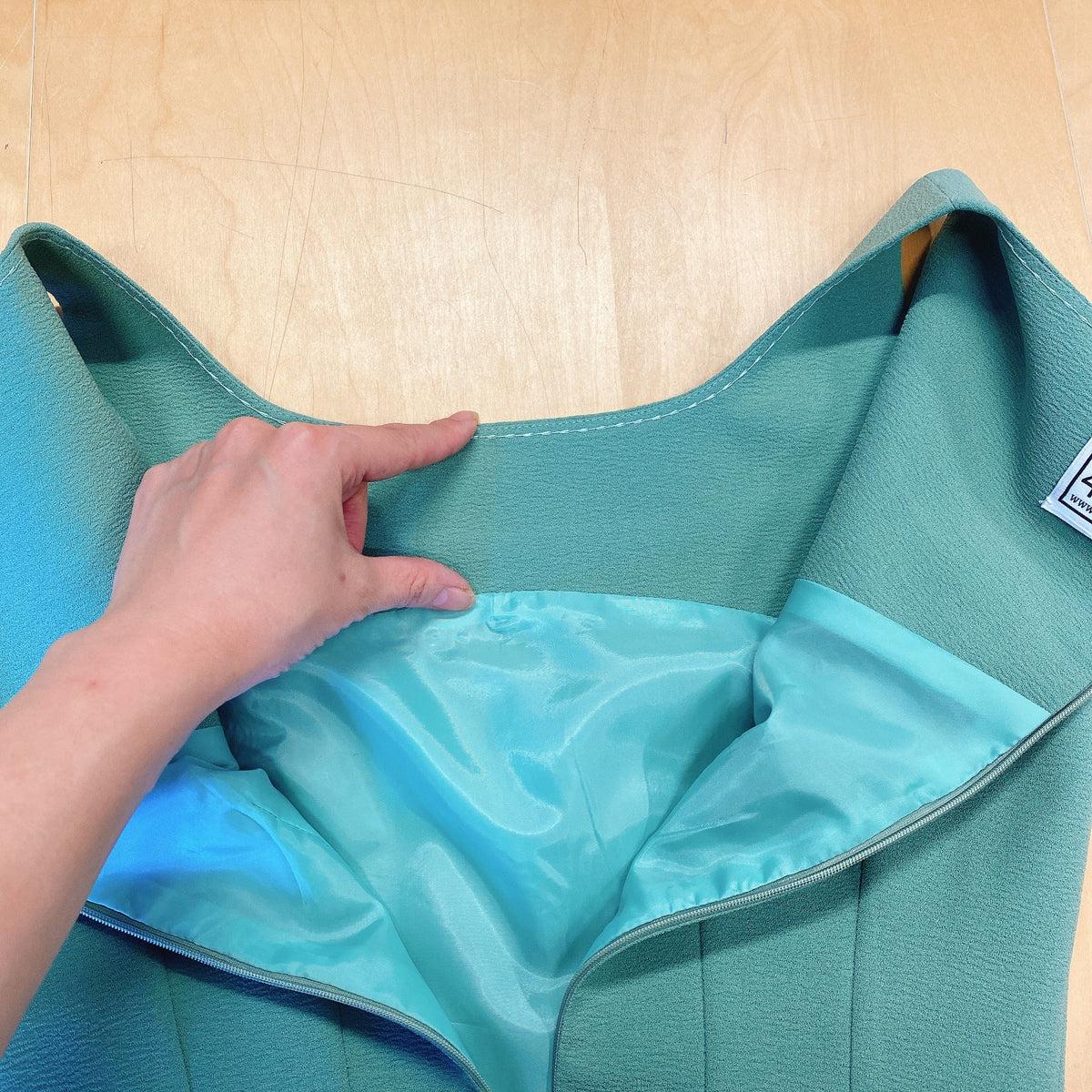
Seam allowances inside a well-made jacket are finished rather than left raw, either bound, overlocked cleanly, or hidden by a lining. Raw edges fraying inside a garment mean the seam will keep giving up thread every time the piece is worn and cleaned. On an unlined jacket this is the single clearest signal available.
Check How the Lining Is Attached
A lining is doing structural work, not decorative work. At the armhole and the hem it should be attached with enough slack to move independently of the shell, usually visible as a small fold of spare fabric across the back hem. A lining pulled tight against the outer fabric tears at the armhole within a season, because it is being asked to stretch further than it can.
Put a Hand in the Pockets
Pocket bags are where manufacturers economize when they are economizing, and they are easy to inspect. The bag should be a firm fabric rather than a thin gauze, deep enough that a hand sits well below the opening, and stitched at the corners with a bar tack, which is the short dense line of stitching that stops a seam splitting under load. Corners without one are where pockets tear.
Pull Gently on a Button or Snap
A button on outerwear takes far more strain than a button on a shirt, so it should be attached with a shank, meaning a short stem of thread between the button and the fabric that leaves room for the layers to close around it. Snaps should sit flush and close with a clear sound rather than a soft one. A snap that opens under light pressure will open on its own in wind.
Read What the Listing Is Willing to State
A page that publishes flat measurements, names the materials and their percentages, describes the lining, and states the return terms plainly is telling you the seller has handled the product. Vagueness in a description is usually not an oversight. Our About Us page sets out what we commit to on every order, and our Return & Refund Policy sets out exactly what happens if a piece is not what you expected when it arrives.
Thank you for shopping with us, and for giving a good coat more than one winter.